The Ultimate Guide to Buying a Sustainable Water Bottle in 2023
A Comprehensive Guide to Sustainable Water Bottles
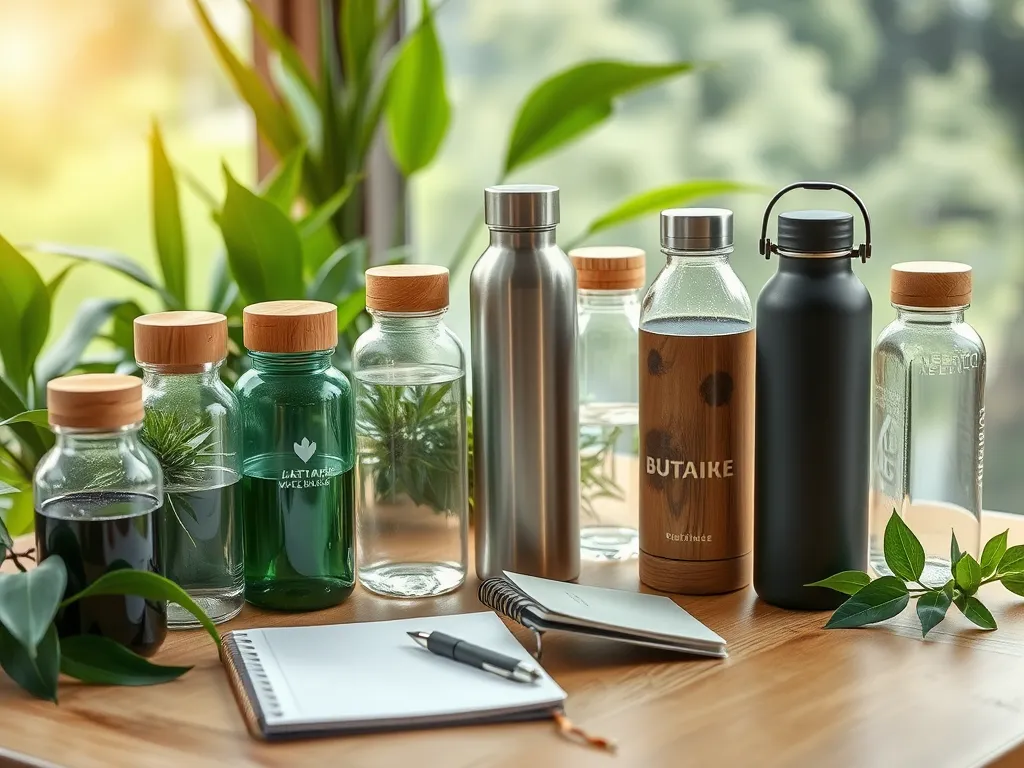
Sustainable water bottles are an eco-friendly alternative to single-use plastic bottles, designed to minimize environmental impact and promote healthier lifestyles. These bottles come in various materials, including stainless steel, glass, and biodegradable plastics, catering to diverse consumer needs and values. Choosing sustainable water bottles is essential for reducing plastic waste and fostering a habit of reusability, ultimately contributing to a sustainable future.
The growing awareness of environmental issues has led to an increase in demand for sustainable water bottles. These products not only help in decreasing the reliance on single-use plastics but also support a circular economy by encouraging recycling and responsible material sourcing. Sustainable water bottles often feature innovative designs that promote reusability while maintaining functionality, making them a preferred choice for the environmentally-conscious consumer.
One of the key benefits of sustainable water bottles is their ability to be reused multiple times, which significantly reduces the carbon footprint associated with their production and disposal. By investing in a high-quality, sustainable water bottle, consumers can help mitigate the negative effects of plastic pollution and contribute to a cleaner environment. The convenience of portable hydration also makes these bottles a perfect companion for outdoor activities, travel, and daily hydration needs.
As we continue to address the global plastic waste crisis, sustainable water bottles play a pivotal role in promoting a culture of mindfulness towards our consumption habits. They serve as reminders of the importance of choosing sustainable options in our daily lives, thus actively participating in the preservation of our planet. Transitioning to sustainable water bottles is a crucial step towards living more mindfully and responsibly in our environment.
Ultimately, sustainable water bottles represent a blend of functionality, style, and eco-consciousness, offering consumers an opportunity to make a positive impact through their purchasing choices. With various options available in the market, it is essential to choose wisely to ensure that the chosen water bottle aligns with personal values, contributes to sustainability, and meets practical needs.
Material Selection for Sustainable Water Bottles
Biodegradable materials in sustainable water bottles, such as plant-based plastics or biodegradable composites, offer promising alternatives to traditional plastics. These materials are designed to break down over time when exposed to environmental elements, thus reducing long-term pollution. However, the degree of biodegradability can vary, and consumers should look for certifications that guarantee the breakdown process aligns with industry standards for environmental safety.
When comparing recyclability, stainless steel excels over plastic due to its ability to be recycled indefinitely without losing quality. Plastic, on the other hand, often degrades in quality with each recycling loop, leading to a significant amount of plastic waste that ends up in landfills. Consumers interested in sustainable water bottles should prioritize options made of stainless steel to ensure responsible disposal and reduced environmental impact.
The impact of glass vs. plastic bottles is an important factor to consider when seeking sustainable water bottles. Glass bottles are recyclable and do not leach harmful chemicals, making them a safe choice for health and the environment. While they are heavier and more prone to breakage, innovations in design have led to more durable glass options. The trade-off between the convenience of plastic and the eco-friendliness of glass ultimately depends on individual lifestyle and usage patterns.
Top Brands for Sustainable Water Bottles
There are several brands recognized for their commitment to sustainability in the water bottle industry. Companies like Klean Kanteen, Hydro Flask, and S'well have built reputations around producing high-quality, eco-friendly water bottles that combine aesthetics with functionality. These brands often utilize sustainable materials, implement ethical business practices, and engage in initiatives aimed at minimizing environmental impact.
A comparative analysis of sustainable practices among brands reveals varying levels of commitment to eco-consciousness. Some brands prioritize recyclable materials and fair labor practices, while others may enhance their sustainability by contributing a portion of profits to environmental causes. It's crucial for consumers to research and choose brands that align with their values in sustainability and social responsibility.
Consumer ratings for sustainable water bottle brands indicate a growing preference for companies that emphasize sustainability, with many products receiving high marks for durability, design, and functionality. This rise in positive consumer feedback reflects a shift towards responsible purchasing behavior where consumers actively seek out eco-friendly alternatives to traditional plastic products.
Environmental Impact of Water Bottles
The carbon footprint of single-use bottles is significantly higher compared to reusable alternatives. Single-use plastic bottles require substantial energy and resources in their production, transport, and disposal, contributing to greenhouse gas emissions and environmental degradation. In contrast, reusable water bottles promote lower carbon emissions, as they can be used repeatedly over time without the need for constant production.
Lifecycle assessment of water bottle production reveals that sustainable water bottles tend to have a lower environmental impact over time. When considering the entire lifecycle from material extraction to production, distribution, and disposal, reusable bottles are more efficient in resource consumption. This analysis underscores the importance of opting for sustainable varieties that can effectively replace single-use solutions.
Marine pollution caused by plastic bottles is a pressing issue that affects ecosystems and wildlife. Millions of plastic bottles end up in oceans each year, harming marine animals and disrupting natural habitats. By choosing sustainable water bottles, consumers can play an active role in reducing this pollution crisis and protecting oceanic habitats by minimizing the demand for single-use plastic products.
Features to Look for in a Sustainable Water Bottle
Insulation properties for temperature retention are essential features of sustainable water bottles, especially for those who prefer their drinks at a certain temperature. Double-walled stainless steel bottles, for example, keep drinks hot or cold for prolonged periods, making them perfect for outdoor adventures or long commutes. Effective insulation is a key consideration for consumers looking to enhance their hydration experience.
Design and ergonomics for everyday use are crucial for ensuring the water bottle seamlessly fits into a consumer's lifestyle. Features such as easy-to-grip surfaces, lightweight materials, and convenient spouts or straws enhance practicality and user experience. A well-designed sustainable water bottle can significantly influence daily hydration habits and overall satisfaction with the product.
Smart technology integration for tracking hydration is an emerging trend in sustainable water bottles. Some brands now offer bottles equipped with sensors and mobile app connectivity to help users monitor their water intake and stay hydrated throughout the day. These innovations not only promote healthier habits but also encourage users to engage with their water consumption actively.
Tips for Maintaining Your Sustainable Water Bottle
Best cleaning practices for longevity include regularly washing your sustainable water bottle with soap and water to prevent build-up of bacteria and unpleasant odors. Utilizing a bottle brush can help reach hard-to-clean areas. Additionally, some materials may be dishwasher-safe, while others require hand-washing, so it's essential to follow the manufacturer's recommendations for maintenance to prolong the product's lifespan.
Avoiding harmful chemicals in bottle maintenance is crucial to preserve the integrity of your sustainable water bottle. Opt for natural soaps and avoid abrasive cleaners that may damage the material. Regular cleaning with vinegar or baking soda can effectively eliminate odors and stains without the use of harsh chemicals, ensuring that your bottle remains safe for repeated use.
Signs that your sustainable bottle needs replacement include visible wear and tear, such as cracks or dents, and a residual odor that cannot be eliminated through cleaning. If your bottle starts to leak, or if it was made from materials that degrade over time, such as certain plastics, it's time to consider investing in a new sustainable water bottle to ensure optimal health and environmental impact.